
Table of Contents
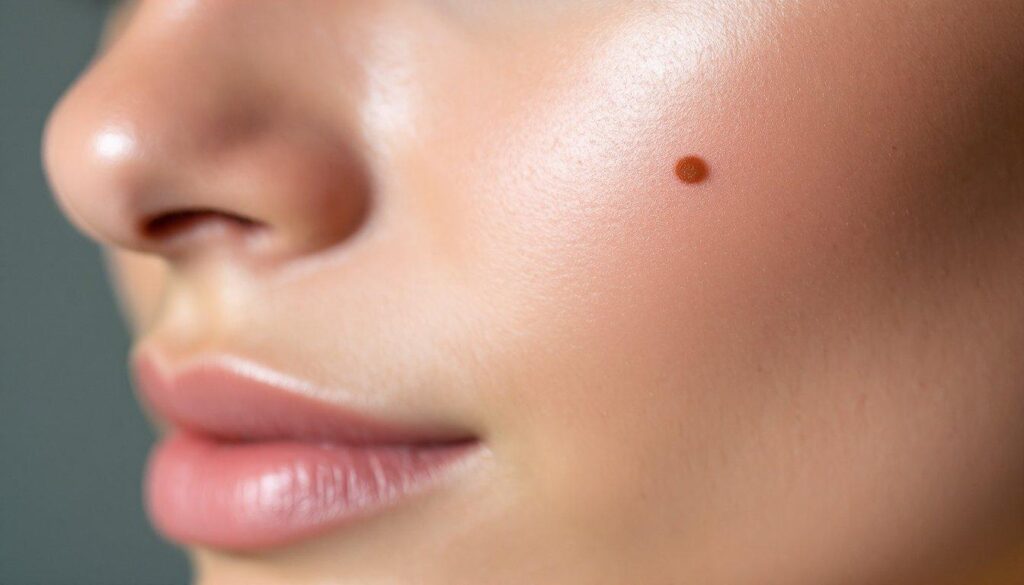
ToggleMoles are common skin growths that can appear anywhere on the body, including highly visible areas such as the face. While most moles are harmless and remain unchanged throughout life, some people choose to have them assessed because of cosmetic concerns, irritation, or noticeable changes in their appearance. Understanding when a mole should simply be monitored and when it may require professional evaluation is an important part of maintaining healthy skin.
Many individuals consider face mole removal in Singapore for cosmetic reasons, particularly when a mole affects facial appearance or causes discomfort during shaving or skincare routines. However, treatment should always begin with a medical assessment to determine whether the mole is benign or requires further investigation before any removal procedure is considered.
When Should a Mole Be Evaluated?
Most moles are benign and do not require treatment. However, changes in a mole’s appearance may indicate the need for prompt medical assessment. Healthcare professionals often use the ABCDE guideline to identify features that warrant further examination:
- Asymmetry – one half differs from the other.
- Border irregularity – uneven or poorly defined edges.
- Colour variation – multiple colours within the same mole.
- Diameter – larger than approximately 6 mm.
- Evolution – changes in size, colour, shape, or texture over time.
Other warning signs include itching, bleeding, crusting, or the development of a new mole in adulthood. These changes do not necessarily indicate a serious condition, but they should be evaluated by a qualified medical professional before cosmetic treatment is considered.
Common Mole Removal Methods
The most appropriate removal technique depends on the mole’s size, depth, location, and clinical characteristics. During a consultation, a doctor will assess whether the mole is suitable for cosmetic removal or whether surgical assessment is recommended.
Common treatment methods include:
- Laser removal for selected small, superficial, non-suspicious moles
- Surgical excision for larger, raised, or clinically suspicious moles
- Shave excision for certain raised benign moles
- Electrocautery for selected benign skin lesions
Each method has different advantages, healing times, and cosmetic outcomes. In cases where there is concern about the nature of the mole, surgical removal may allow the tissue to be sent for laboratory examination.
For individuals interested in learning more about available assessment and treatment options, exploring professional mole assessment and removal treatments can provide additional information on procedures commonly used for facial and body moles.
What to Expect During Recovery
Recovery varies depending on the treatment method and the size of the mole. Smaller laser-treated areas often heal within one to two weeks, while surgical procedures may require a longer healing period, particularly if stitches are involved.
Following the recommended aftercare instructions helps support healing and minimise the risk of complications. Patients are generally advised to:
- Keep the treated area clean.
- Avoid picking at scabs while healing.
- Protect the area from excessive sun exposure.
- Use sunscreen once the skin has healed.
- Attend follow-up appointments if recommended.
Although modern removal techniques aim to minimise visible scarring, every procedure that breaks the skin carries some possibility of scar formation. Healing also varies between individuals.
Factors to Consider Before Treatment
Before proceeding with mole removal, it is helpful to discuss treatment goals and expectations during a consultation. The doctor may consider several factors, including:
- The location of the mole
- Whether it is raised or flat
- Cosmetic concerns
- Medical history
- Risk of scarring
- Whether laboratory examination is necessary
Facial skin requires particular care because cosmetic outcomes are especially important. Selecting the most suitable removal method can help balance effective treatment with the goal of achieving the best possible aesthetic result.
Maintaining Healthy Skin
Regular skin observation remains an important part of overall skin health. Becoming familiar with existing moles makes it easier to notice changes that should be assessed by a healthcare professional. Individuals with numerous moles, a family history of skin cancer, or significant sun exposure may also benefit from periodic skin examinations.
Advances in dermatological and aesthetic treatments have expanded the range of options available for managing benign facial moles while prioritising both safety and cosmetic outcomes. Nevertheless, professional assessment remains the first step, particularly when any mole demonstrates unusual characteristics or recent changes.
Whether the goal is cosmetic improvement or the evaluation of a changing skin lesion, face mole removal in Singapore should always begin with a thorough clinical assessment. Understanding the nature of the mole and selecting an appropriate treatment approach can help support both skin health and aesthetic outcomes.


